


Independent property claim appraisers
There is a page
in your policy
for exactly
this moment.
When your insurer’s estimate does not cover what it will take to put your home back, the appraisal clause gives both of you a way to settle the amount without a lawsuit. We help people use it in forty-nine states, every one but Minnesota.
- 49
- states we serve, with a page on the rules of each
- $2,500
- flat, for a residential appraisal
- 0%
- of the award. We are never paid a share
Appraisal. If you and we fail to agree on the amount of loss, either may demand an appraisal of the loss. In this event, each party will choose a competent and impartial appraiser within 20 days after receiving a written request from the other. The two appraisers will choose an umpire. If they cannot agree upon an umpire within 15 days, you or we may request that the choice be made by a judge of a court of record in the state where the “residence premises” is located. The appraisers will separately set the amount of loss. If the appraisers submit a written report of an agreement to us, the amount agreed upon will be the amount of loss. If they fail to agree, they will submit their differences to the umpire. A decision agreed to by any two will set the amount of loss. Each party will:
- 1.Pay its own appraiser; and
- 2.Bear the other expenses of the appraisal and umpire equally.
If you and we fail to agree on the amount of loss, either may demand an appraisal of the loss.
The claim was accepted. The number was not enough.
That is the situation the clause was written for. It rarely arrives as a single dramatic denial. It arrives as a scope with pieces missing, or as a partial payment followed by silence.
- The estimate came in far below the contractor’s.
- A disagreement about scope, quantity and price. Exactly what appraisal decides.
- A check arrived, and then everything stopped.
- Under most policies, depositing it does not waive your right to dispute the amount. Appraisal puts the disagreement on a clock.
- You have been told the claim is closed.
- Closed is a status, not a verdict. If the carrier accepted the loss, the amount can usually still be appraised.
- Roof covering, front slopes Carrier: Replace, 18 sq Appraisal: Replace, 18 sq Agreed
- Roof covering, rear slope Carrier: Not included Appraisal: Replace, 12 sq Agreed
- Drip edge and starter Carrier: Not included Appraisal: 212 lf Agreed
- Gutters, north and east Carrier: Repair, 20 lf Appraisal: Replace, 96 lf To umpire
- Siding, east elevation Carrier: Repair, 40 sf Appraisal: Replace elevation, matching To umpire
- Interior ceiling, bedroom 2 Carrier: Paint only Appraisal: Drywall, texture, paint Agreed
- Debris removal and haul Carrier: Included Appraisal: Included Agreed
- Permit and inspection Carrier: Not included Appraisal: Per municipality Agreed
Settled between the appraisers: 6 of 8 items.
Left for the umpire: 2.
The appraisers will separately set the amount of loss.
We measure the roof. Then we measure the estimate against it.
An appraisal is not an argument. It is a drawing, a count, and a line-by-line comparison of two estimates in the same software the carrier uses, until the items that remain are few enough to hand to a neutral.
The rear slope in this drawing was not in the carrier’s scope. Twelve squares of roof, added by measurement rather than by negotiation. Most of what appraisal recovers is found this way.
One honest exception: if the carrier has denied the claim, appraisal is usually not the tool. Here is how to tell the difference.
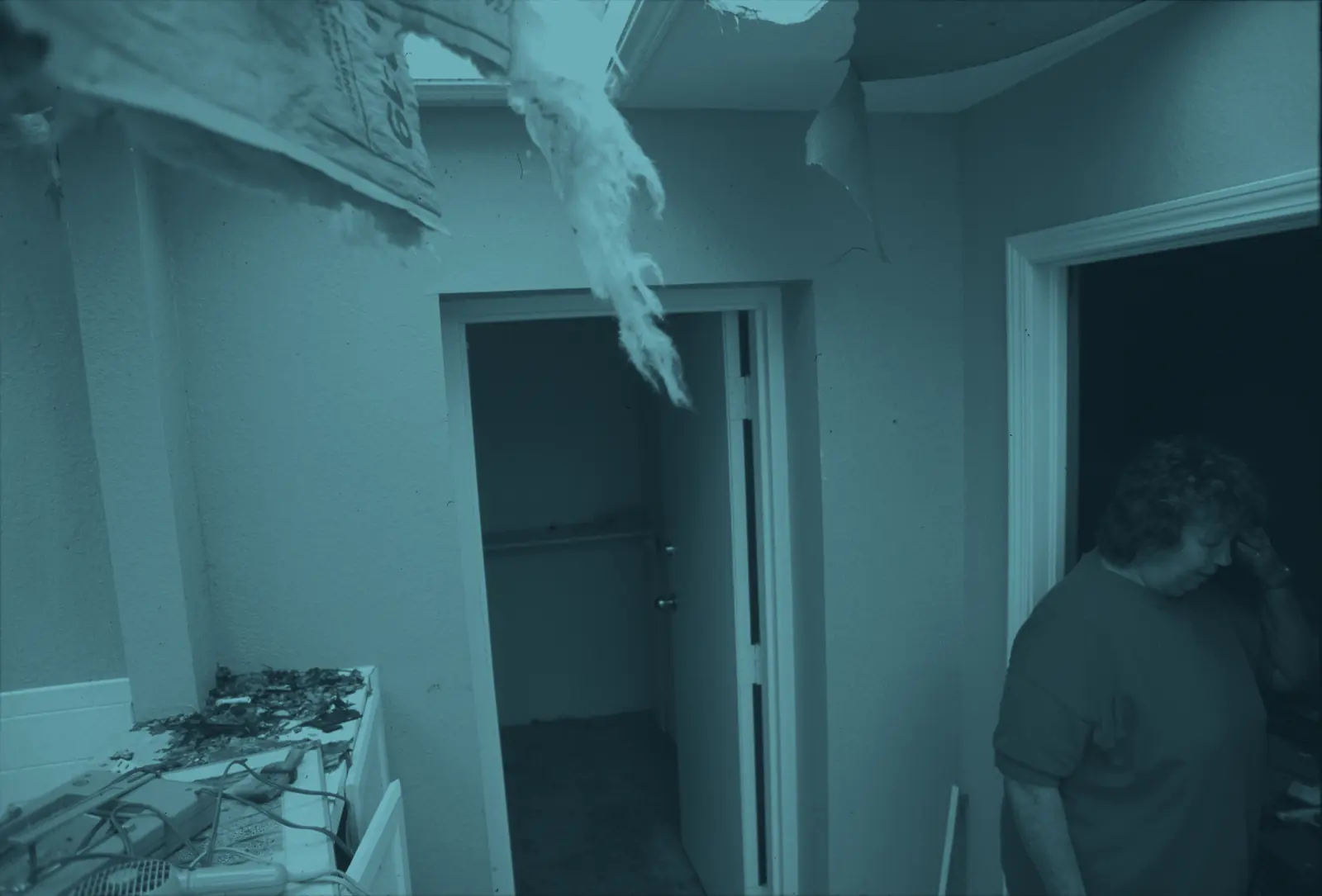
What this is actually like
You paid for years so that someone would be there on the worst day. Then the estimate arrived.
Nobody plans for the ceiling to come down, or for the call from the neighbor while you are out of town. The loss is hard enough. The second loss, the one that comes in an envelope with a number in it, is the one people are least prepared for, because they expected the company to be on their side.
The clause in your policy exists because the people who wrote it knew this would happen. We exist to make sure you know it is there.
The two appraisers will choose an umpire. … If they fail to agree, they will submit their differences to the umpire.
Two appraisers. One umpire. A number both sides sign.
Appraisal is not a lawsuit and it is not arbitration. It is a valuation with a clock on it. Each side appoints someone who can price the repair properly, and a neutral umpire decides only what the two cannot.
- Day 0 Written demand Either party. Certified mail.
- By day 20 Appraisers named 20 days for each side
- By day 35 Umpire chosen 15 days, or a judge appoints
- On site Inspection Both estimates, line by line
- The award Award signed Any two of three
- After filing Payment Commonly within 60 days
- Day 0 Written demand Either party. Certified mail.
- By day 20 Appraisers named 20 days for each side
- By day 35 Umpire chosen 15 days, or a judge appoints
- On site Inspection Both estimates, line by line
- The award Award signed Any two of three
- After filing Payment Commonly within 60 days
The award is a document, not a verdict.
It states the amount of loss and it is signed by any two of the three. In most appraisals the two appraisers agree and the umpire’s line stays empty. Once it is filed, the policy’s loss payment condition takes over, and in nearly every state the amount is binding.
What it does not do is decide whether the policy covers the loss. That question stays with the courts, and a panel that keeps to its lane produces an award that holds.
The full guide to how appraisal worksWe, the undersigned, having been duly appointed under the appraisal condition of the policy, have examined the damaged property and have determined the amount of loss to be as set out below. This award is made without determination of coverage.
- Replacement cost value
- As agreed, per attached itemization
- Actual cash value
- As agreed, per attached itemization
A decision agreed to by any two will set the amount of loss.
What the panel decides, and what it leaves to the court.
Knowing the line is what makes appraisal useful. Stay inside it and the award holds; stray across it and the award can be set aside.
The panel sets
-
What it costs to repair or replace what was damaged
Materials, labor, unit prices, totals.
-
The scope of the work
Rooms, elevations, materials, quantities.
-
Repair or replace
Whether an item can be repaired or must be replaced, and matching where the state requires it.
-
Depreciation and actual cash value
How much was held back, and whether it was reasonable.
-
Overhead and profit
Whether the job needs a general contractor, and what that adds.
The court decides
-
Whether the policy covers the loss at all
Exclusions, conditions, and the denial itself.
-
How the policy language should be read
Interpretation is law, not valuation.
-
Whether the carrier acted in bad faith
And any penalties that follow from it.
-
Deadlines and the right to sue
Appraisal does not pause the suit clock in most states.
-
Interest, fees and anything else
The award states an amount. The rest is for a judge.
Causation sits on the line
In Texas, Florida and Iowa, the panel may decide how much of the damage the covered event caused, as part of the amount.
In Alabama, Mississippi and Tennessee, that question is left to the court. Your state’s rule
Where the disagreements come from
The losses we see most.
Each kind of loss has its own way of going short in an estimate. Hail hides in the slopes you cannot see from the drive. Water hides behind the cabinets. Wind hides in matching. Choose one to see where to look.
Rest on a photograph to see it in its original color.


Hail
Hail is counted, not guessed: hits in a ten-foot test square, on every slope of the roof.
Where an estimate tends to go short
- Every slope inspected, including the ones out of sight from the ground
- Soft metals that show where the stones struck: vents, flashing, gutters
- Whether brittle shingles can be repaired at all, or have to come off

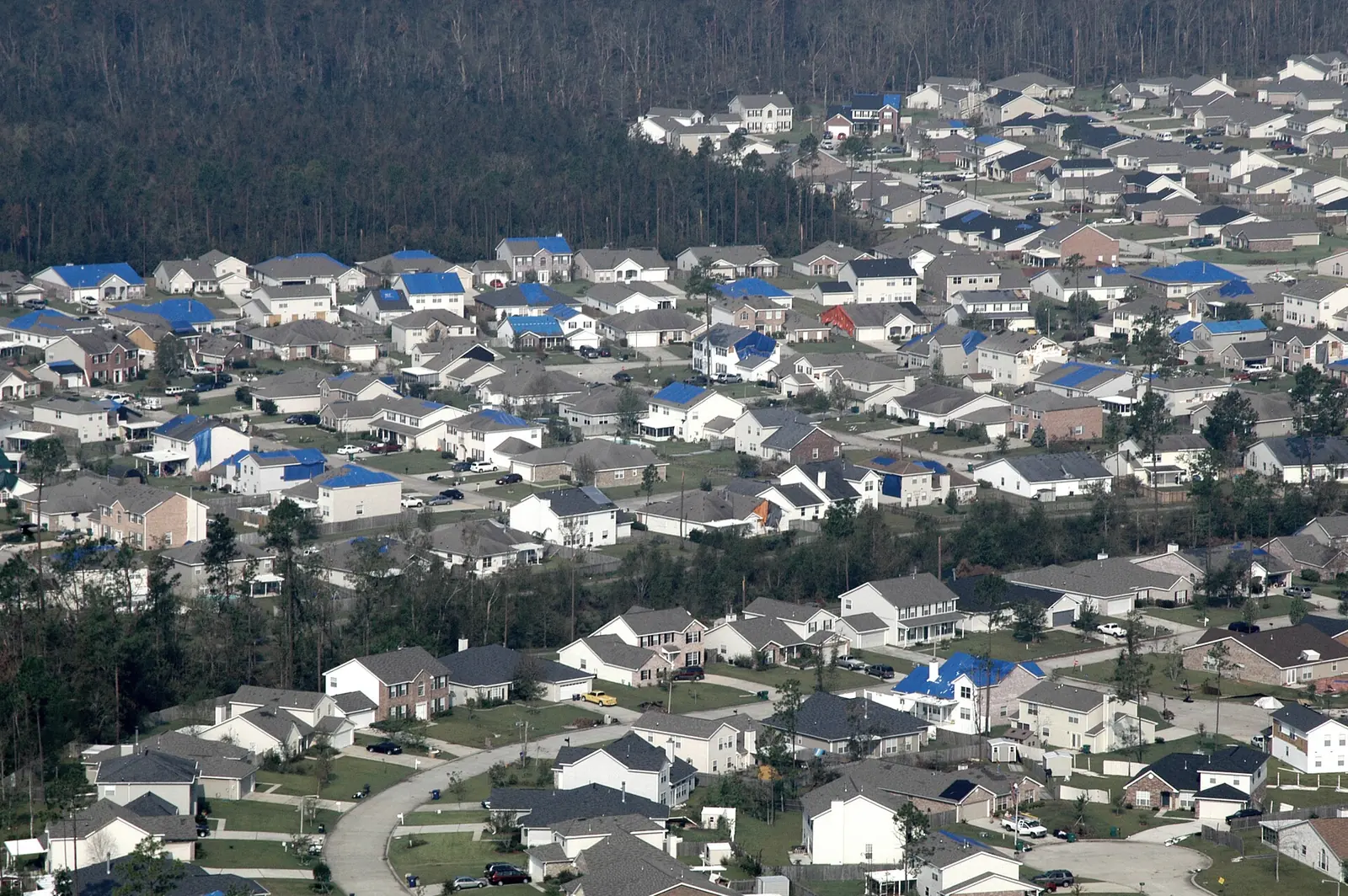
Hurricane
After a hurricane, a whole coastline is being estimated at once.
Where an estimate tends to go short
- What the wind did, measured apart from flood, which is usually a separate policy
- The water that came in after the wind opened the roof
- Matching across a roof or an elevation, where the state requires a uniform look
In Florida, the carrier must tell you about the state’s mediation program before appraisal can be required on a home. The rules in Florida
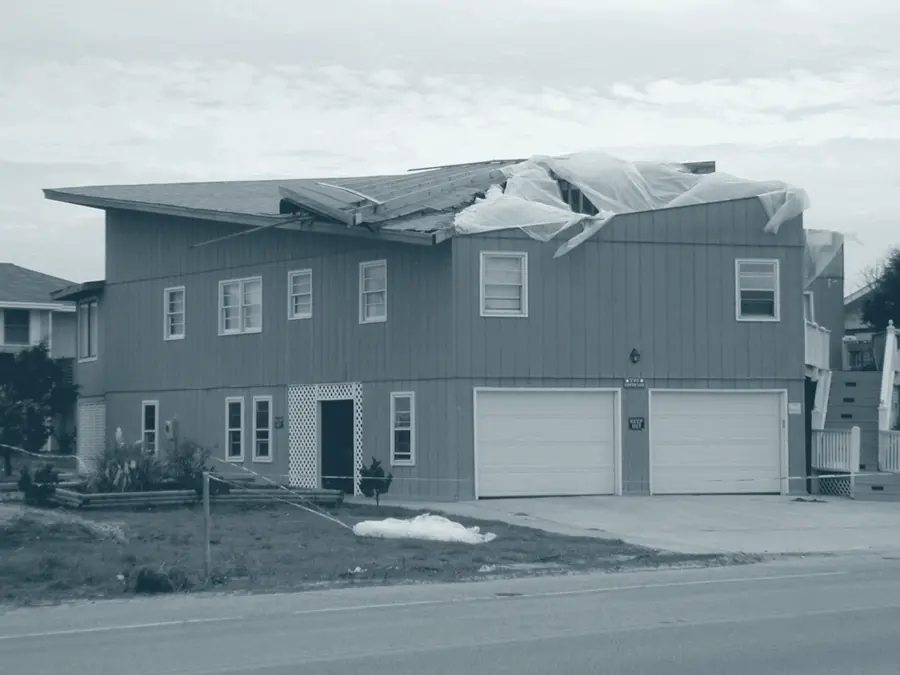
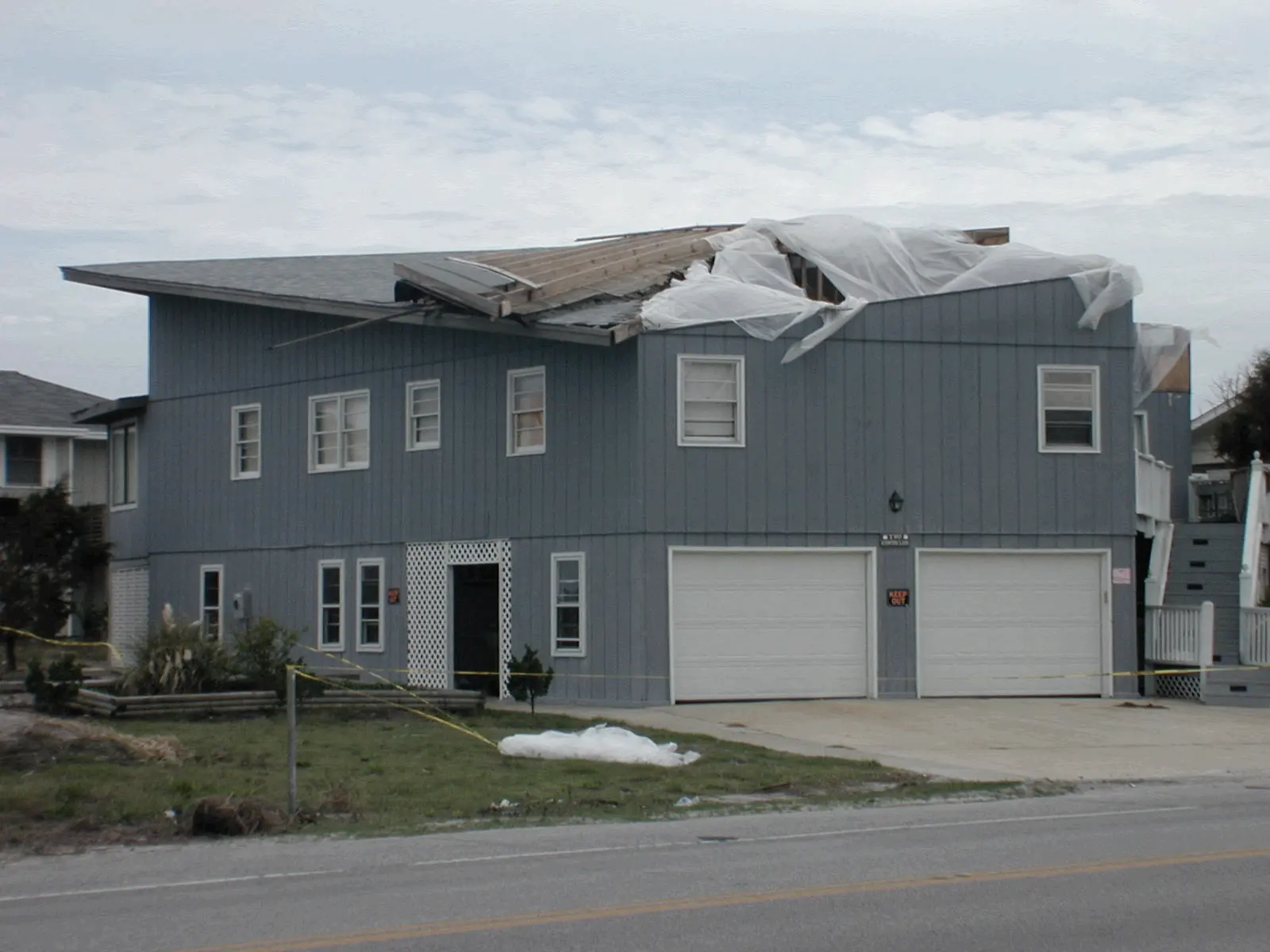
Wind
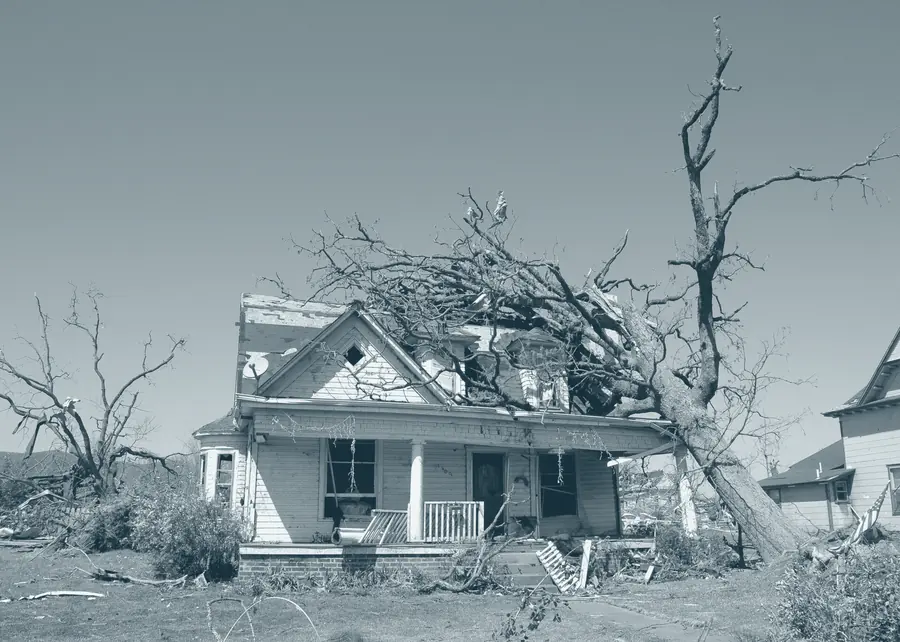
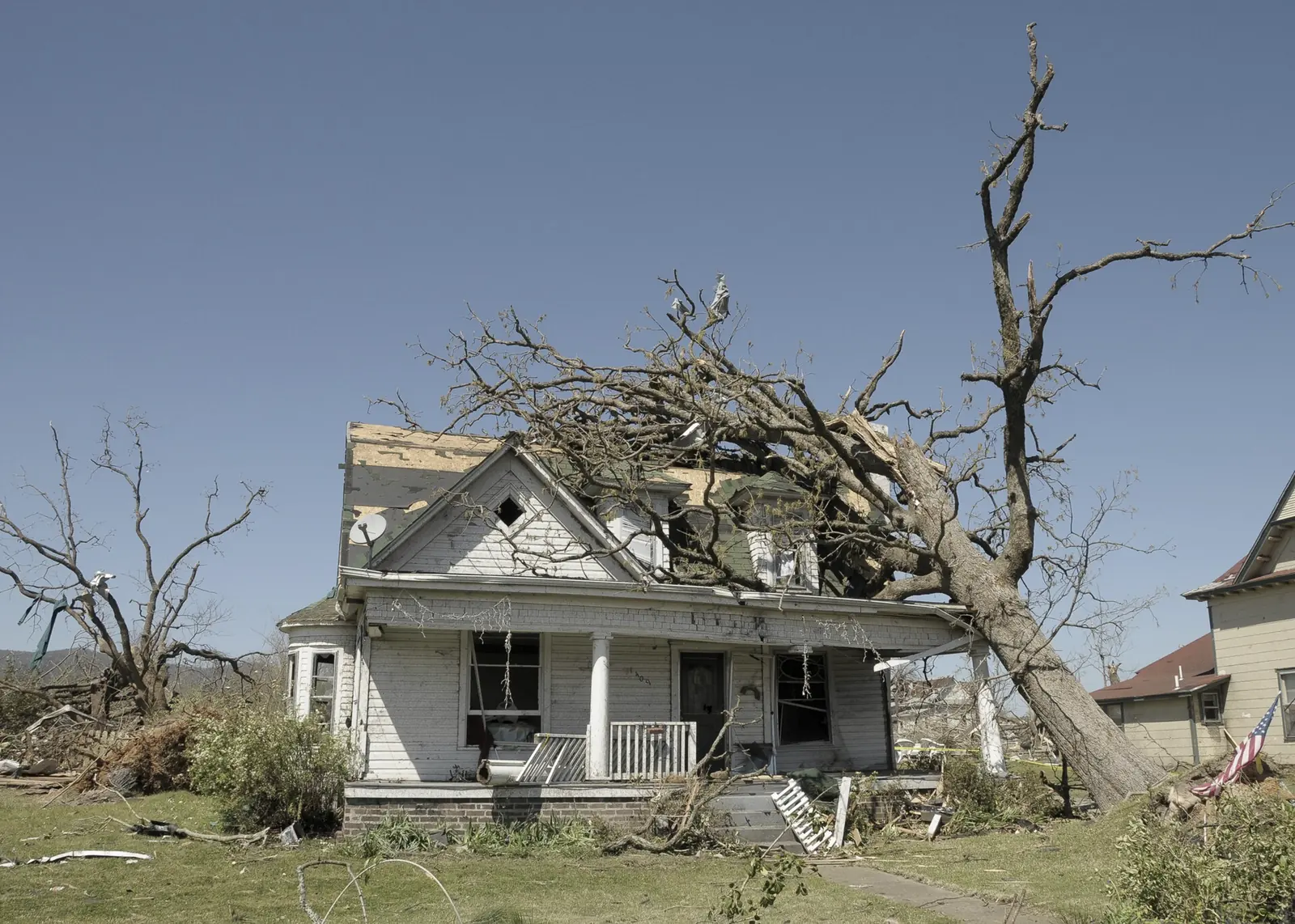
Wind leaves damage that is easy to pass over and hard to match.
Tornado
The difference between a repair and a rebuild is most of the number.

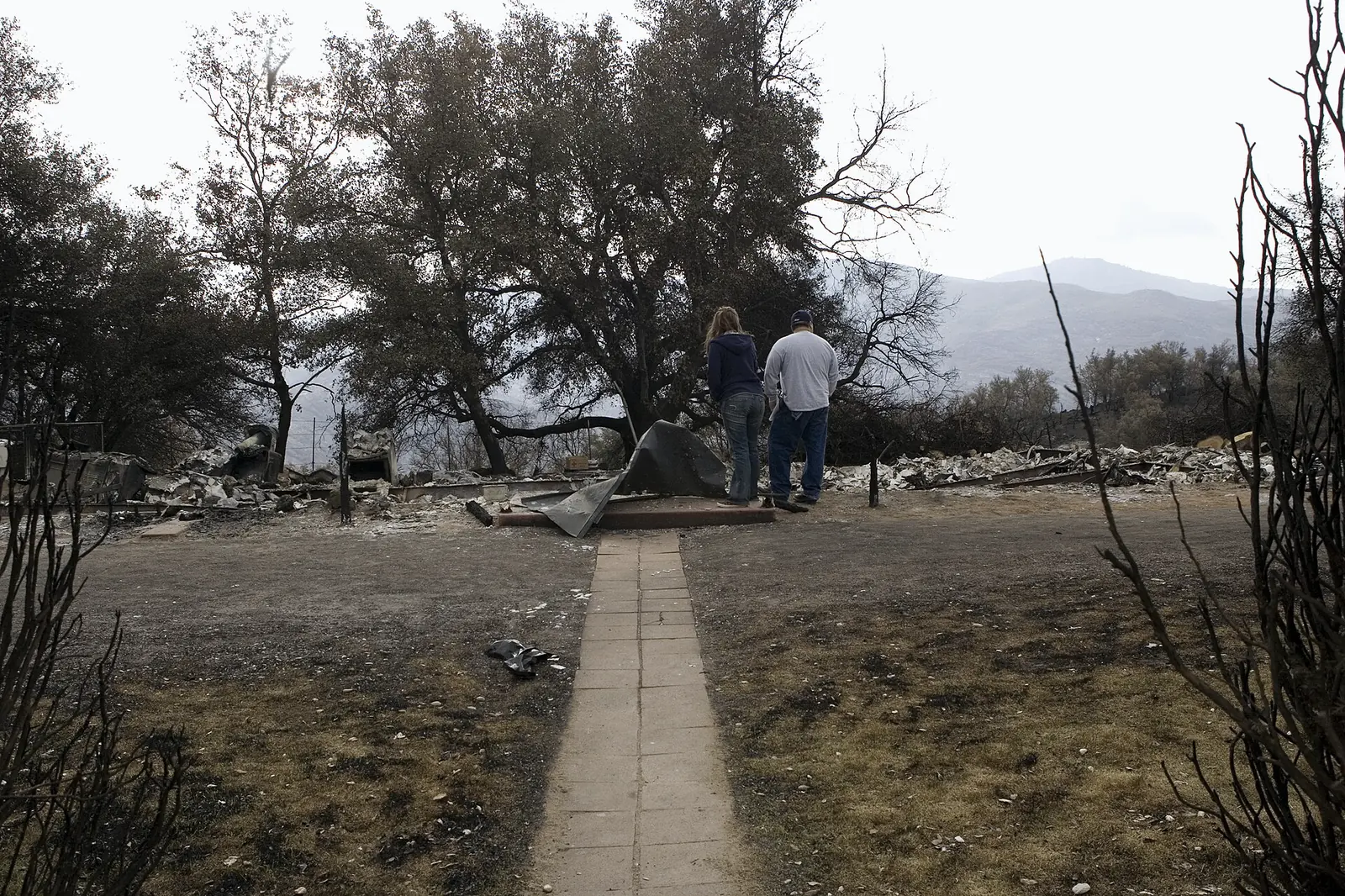
Wildfire
A house that burned must be priced at what rebuilding costs now. A house left standing can hold smoke in every wall.
Where an estimate tends to go short
- Rebuild pricing that reflects the cost of building after a disaster, not before it
- Smoke and ash in the ductwork, insulation and contents of a house still standing
- Debris removal, and a contents inventory taken line by line
In California, after a declared disaster, appraisal is by agreement rather than demand. The rules in California
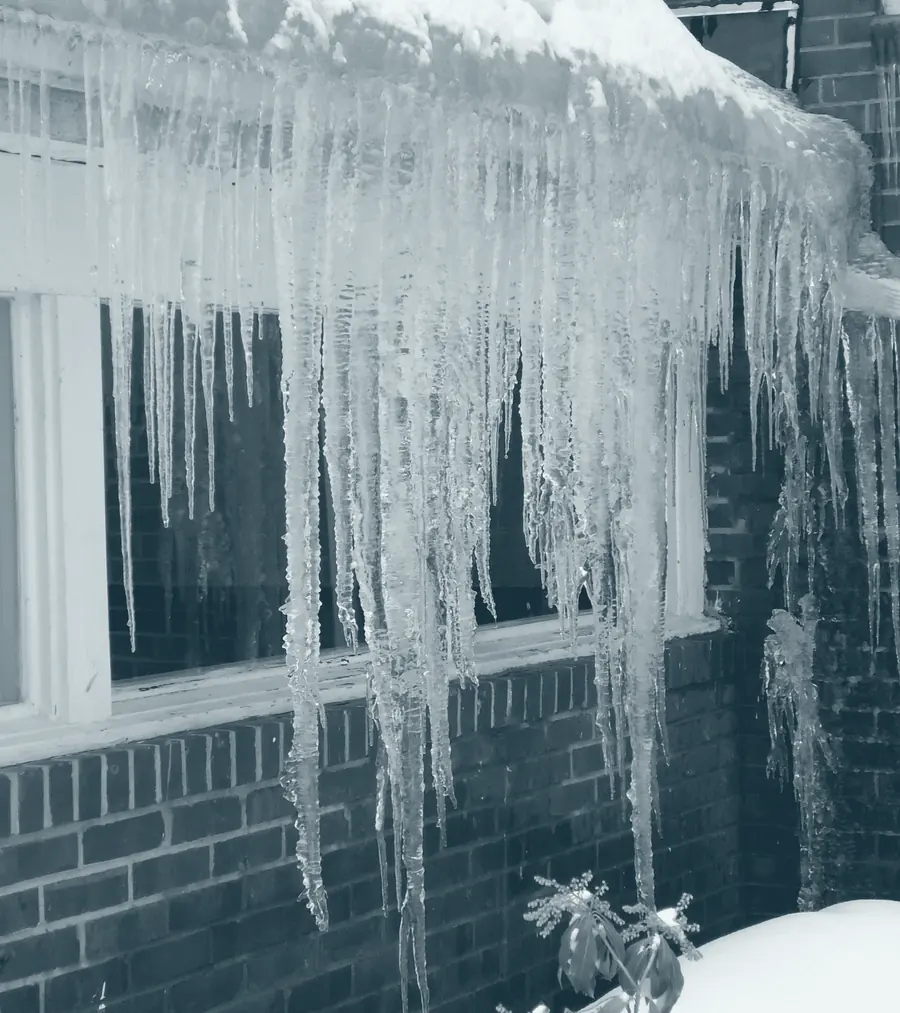
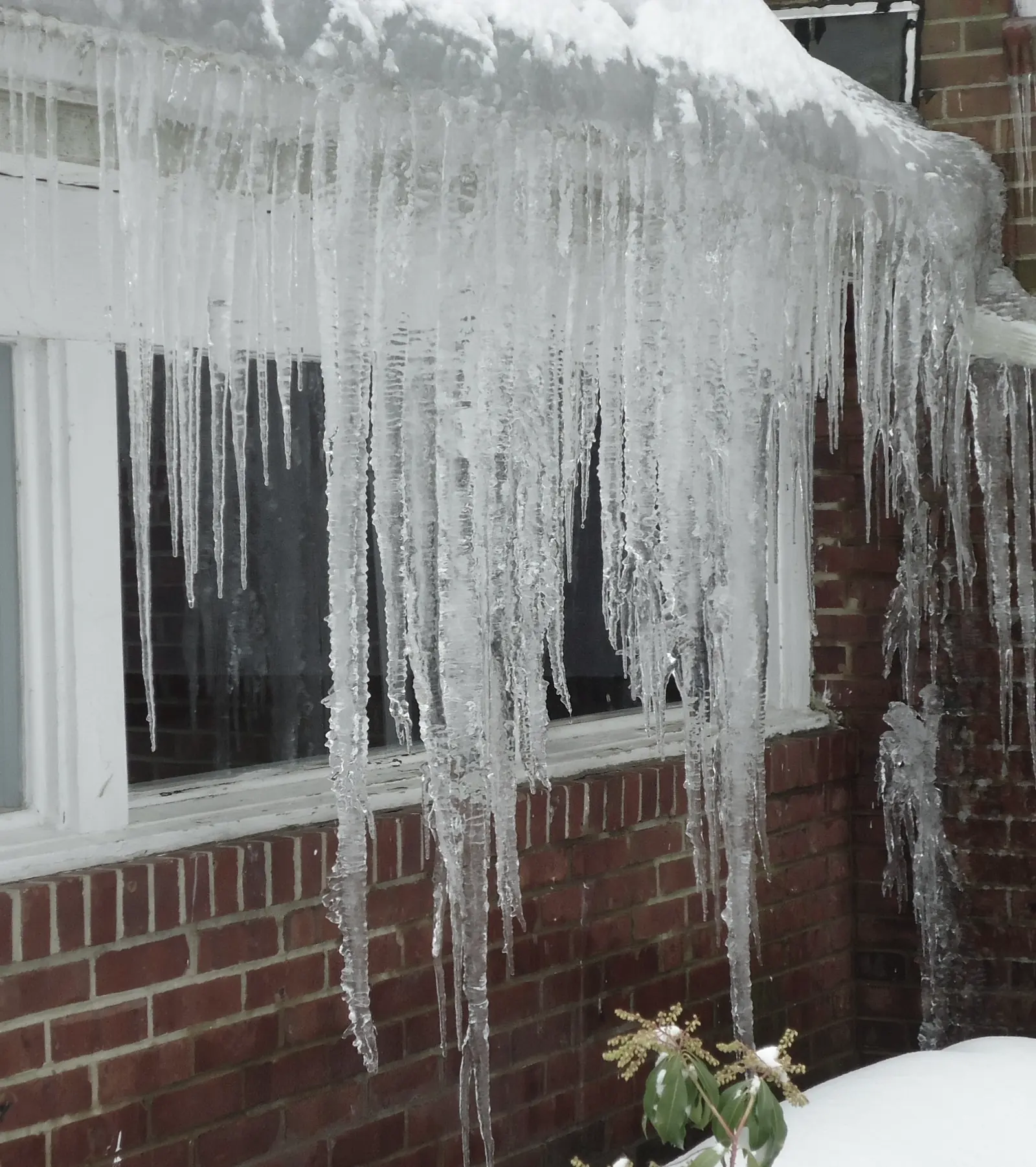
Freeze
One pipe, and everything the water reached after it.
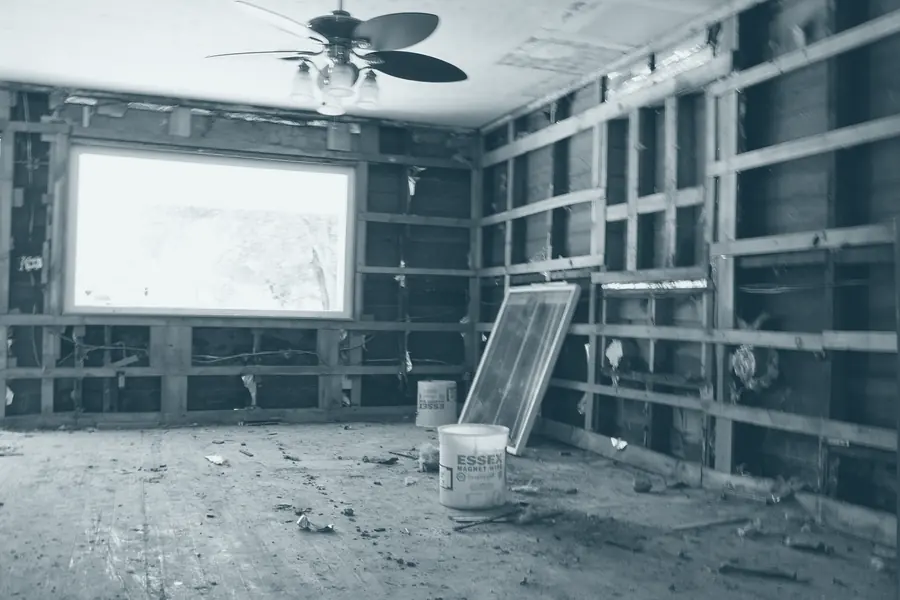
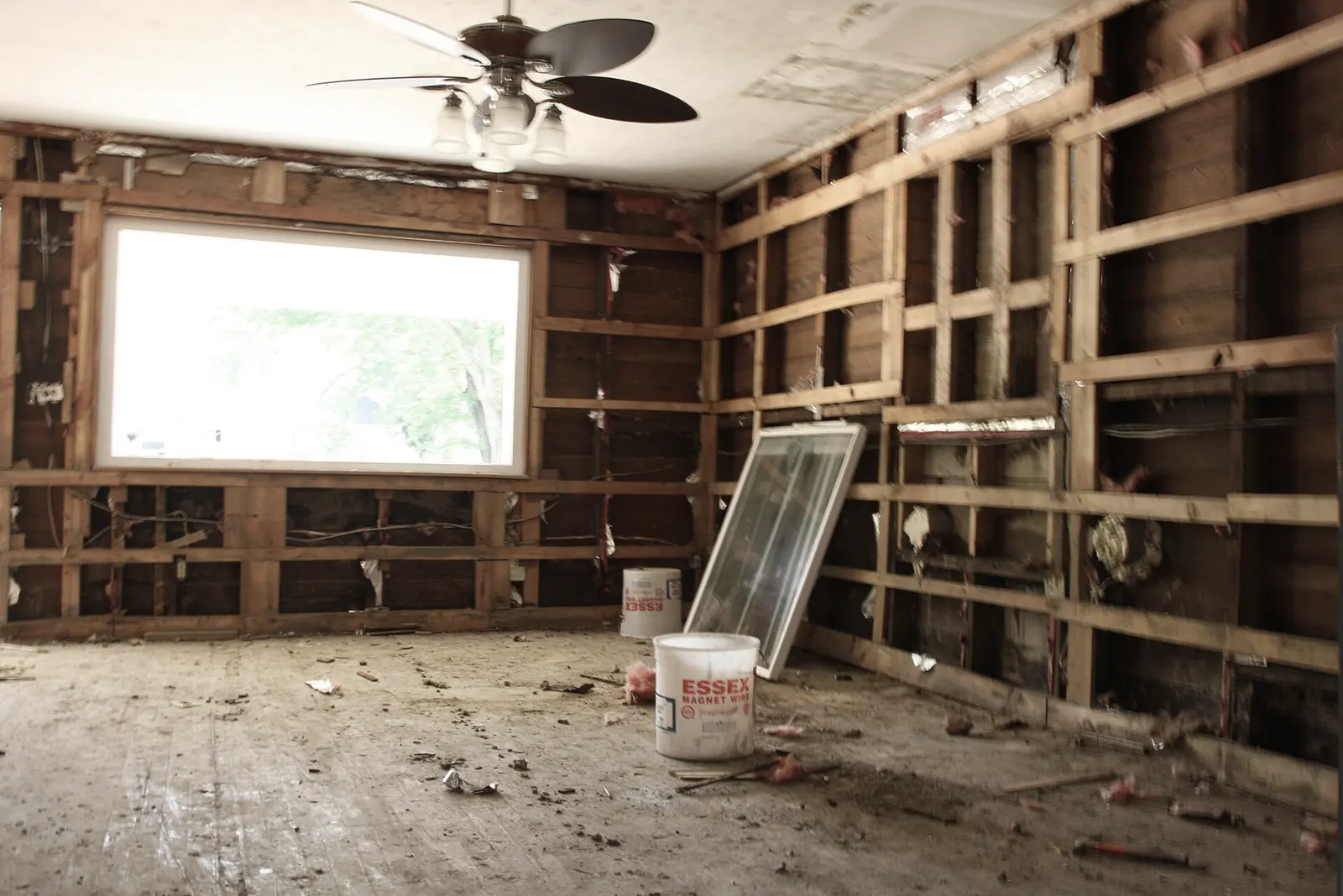
Water
The stain on the ceiling is the least of it. The loss is in whatever stayed wet.
Where an estimate tends to go short
- The category of water, which decides what can be dried and what must go
- Wet materials behind walls and under floors that no one opened
- Contents moved, cleaned and stored while the work is done
Among the common losses in New York, New Jersey and Pennsylvania.
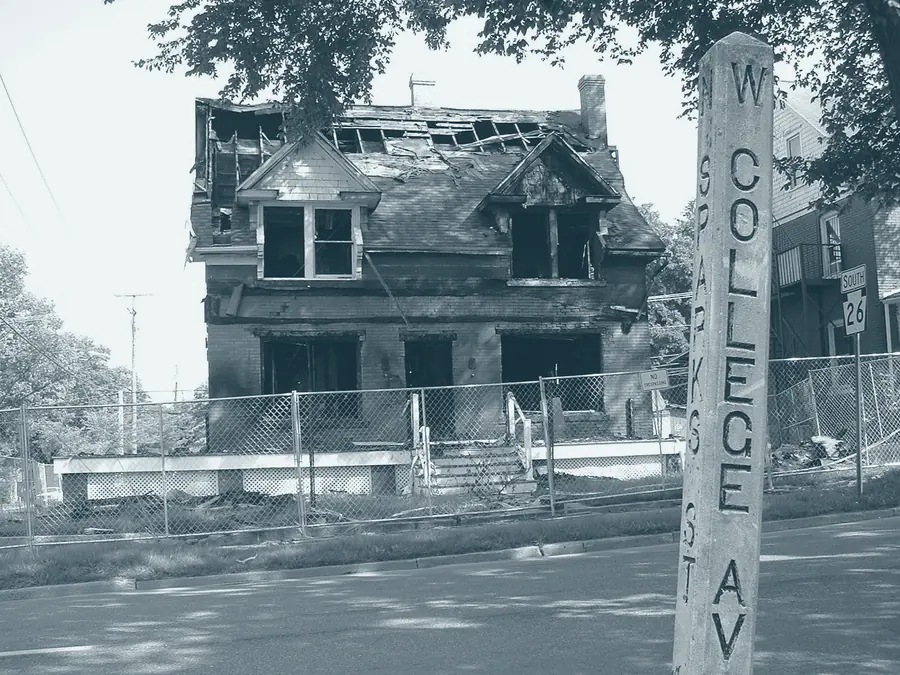
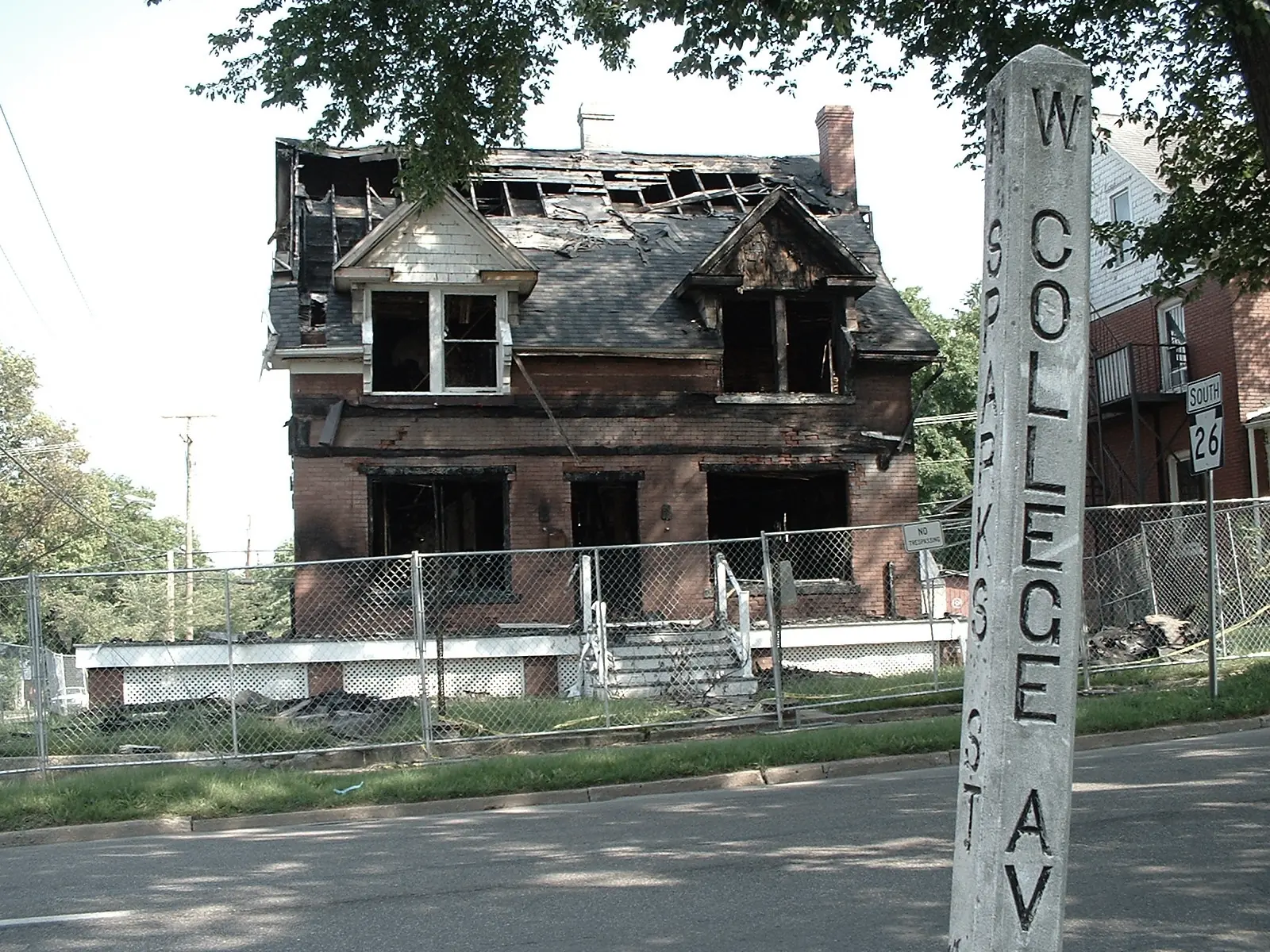
Fire
Smoke travels further than the flame did, and so does the water that put it out.
Where an estimate tends to go short
- Smoke and soot in rooms the fire never reached
- Structural repair, and the code upgrades it triggers
- Water and demolition from putting the fire out
Every state sets its own rules around the clause. Appraisal rules by state
…a judge of a court of record in the state where the “residence premises” is located.
The clause is nearly universal. The rules around it are not.
The rules that apply are those of the state where the house stands, even if you are living somewhere else while it is rebuilt.
Twenty-nine states write the clause into law. Three allow appraisal only by agreement. Two license or register the people who serve. Alaska gives ten days instead of twenty, and Massachusetts uses three referees.
- Clause written into state law
- Clause from the policy form
- Appraisers licensed or registered
- Appraisal only by agreement
We do not take claims in Minnesota.
California
After a declared disaster, appraisal can be requested but not compelled. Once an award is served, there are one hundred days to challenge it.
The rules in CaliforniaFlorida
Before appraisal can be required on a home, the carrier must tell you about the state’s mediation program. Citizens policies now need both sides to agree.
The rules in FloridaTexas
Every residential policy issued or renewed from 2026 must carry the clause, and the award binds both sides except for fraud, accident, material mistake or lack of authority.
The rules in TexasLouisiana
Appraisers and umpires must be registered with the state, contingent fees are barred, and the panel works to a thirty-day clock.
The rules in Louisiana…each party will choose a competent and impartial appraiser…
Thirty years between them, on the other side of the table.
Joshua and Danielle Selph founded Ocean Side after careers as field and desk adjusters across the mainland states and Canada. They know how carrier estimates are built and where scope goes missing, because they spent years writing them.
More about Joshua and Danielle

-
“I didn’t know I had options when my claim stalled.”
G. B., policyholder -
“They walked me through every step. They helped me understand what had happened, what my options were, and all possible outcomes.”
B. Y., policyholder -
“I had no idea what was going on. Josh sat down with me and took the time to clarify everything so I could make an informed decision about my claim.”
A. W., policyholder -
“I thought my only choice was to take my claim to court.”
M. G., policyholder
Each party will: 1. Pay its own appraiser; and 2. Bear the other expenses of the appraisal and umpire equally.
A flat fee, stated before you decide.
We are never paid a share of the award. The policy requires an appraiser to be impartial, and an appraiser with a stake in the number is not.
The same clause settles the rest. The carrier pays its own appraiser, and if an umpire is needed, each side pays half.
Everything that happens between the first call and the awardA commercial building, a business, or an association? Those claims run on a different clause. How a commercial appraisal works
A flood claim? It runs on federal rules and deadlines of its own. How flood insurance claims work
- Retainer, on opening the file Policy review, demand letter, appointment
- $500
- Balance, at the signing of the award Inspection, estimate, negotiation, umpire presentation
- $2,000
- The carrier’s appraiser Paid by the carrier Policy, item 1
- $0
- The umpire, if one is needed Split equally between the two sides Policy, item 2
- Half
- Total Due regardless of outcome
- $2,500
Before you call
Questions people ask us first.
Have these in front of you
- The whole policy, not only the declarations page
- The carrier’s estimate, and every letter since
- Photographs of the damage, and any contractor’s bid
- The date of loss, and what has been paid so far
Or call (945) 248-2554. One of us answers.
What does an independent appraiser actually do?
We set the amount of your loss, together with the appraiser the carrier appoints.
We inspect the damage, document it, and prepare a line-by-line estimate of what it will cost to repair or replace what was lost, using the same estimating software the carrier uses. Then we meet with the carrier’s appraiser and work through the differences, item by item. If the two of us cannot agree, an umpire decides. Any two signatures set the amount.
How much does it cost?
Our fee for a residential appraisal is $2,500, flat.
$500 retains us and opens the file. The remaining $2,000 is due when the award is signed. The fee is for our professional time and is due regardless of the outcome, because the policy requires an appraiser to be impartial and an appraiser paid a share of the award is not. The carrier pays its own appraiser, and the umpire’s fee is split equally. Commercial and association appraisals are a flat $10,000: $2,000 to begin and $8,000 when the award is signed.
Is my claim eligible for appraisal?
Appraisal is for a disagreement about the amount of a covered loss: the prices, the scope, the quantities, what needs to be replaced.
If your carrier has accepted the claim but its estimate does not cover the repair, appraisal is usually available. If the carrier has denied the claim outright, that is a coverage dispute, and appraisal is generally not the right tool. We will tell you which one you have.
I already deposited a check. Is it too late?
Usually not.
Depositing an initial payment does not close your claim or waive your right to dispute the amount under most policies. Many of the people we work with have already received a payment that fell short. What does matter is the deadline in your policy for bringing suit, because in most states demanding appraisal does not pause it.
Do you decide whether the policy covers my loss?
No, and neither does the carrier’s appraiser or the umpire.
Appraisal sets the amount of the loss. Whether the policy covers it, how the policy language is read, and whether the carrier acted in bad faith are questions for the courts. We will be honest with you about which kind of disagreement you have before you spend a dollar.
How long does it take?
Most policies give each side twenty days to name an appraiser and the appraisers fifteen days to choose an umpire.
From there, a straightforward residential appraisal often concludes in one to three months. A complicated loss, or one that needs the umpire, can take longer. It is almost always faster than litigation, which commonly runs a year or more.
Before you decide anything
Has your claim stalled?
Tell us what happened and where. We will read your policy, tell you plainly whether appraisal fits, and what it would cost. No pressure, and no fee for the conversation.
When you write to us
- 1. We read your policy, the carrier’s estimate, and the letters that came with it.
- 2. We tell you plainly whether appraisal fits your disagreement, and if it does not, who can help.
- 3. If it fits, you have the fee in writing before anything starts.